
Dexko Global
Spring Readiness Starts with Dexter
A spring inspection is the easiest way to prevent roadside breakdowns and protect your trailer investment. Cold-weather storage can hide corrosion, cracked wiring, dried seals, damaged tires and worn brake components—issues that often show up on your first long trip.
Use Dexter’s checklist to inspect key systems, then repair or replace worn components before you tow.
Dexter Trailer Service Checklist
For a printable version, download the PDF.
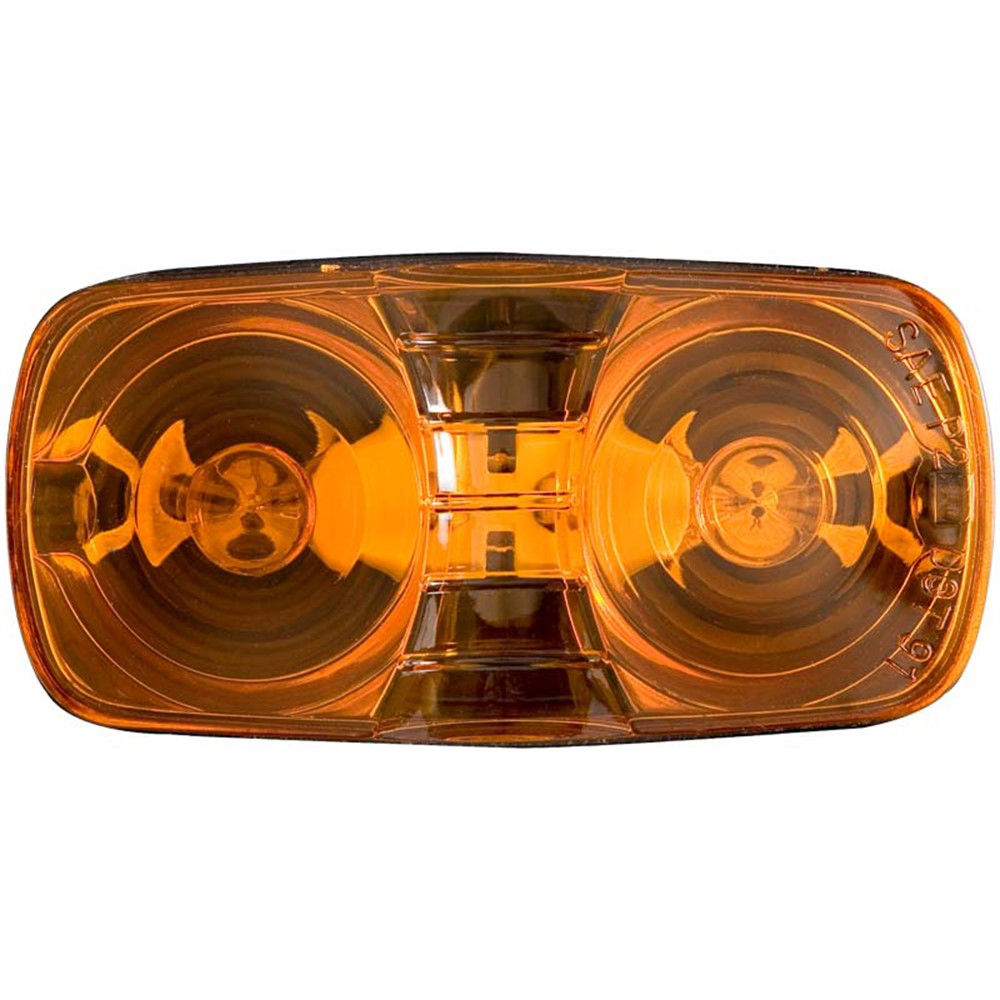
Lights
Look for cracked lenses, water intrusion, intermittent operation, corroded pins, and exposed wiring. Electrical issues are common after storage and can cause flickering or complete light failure.
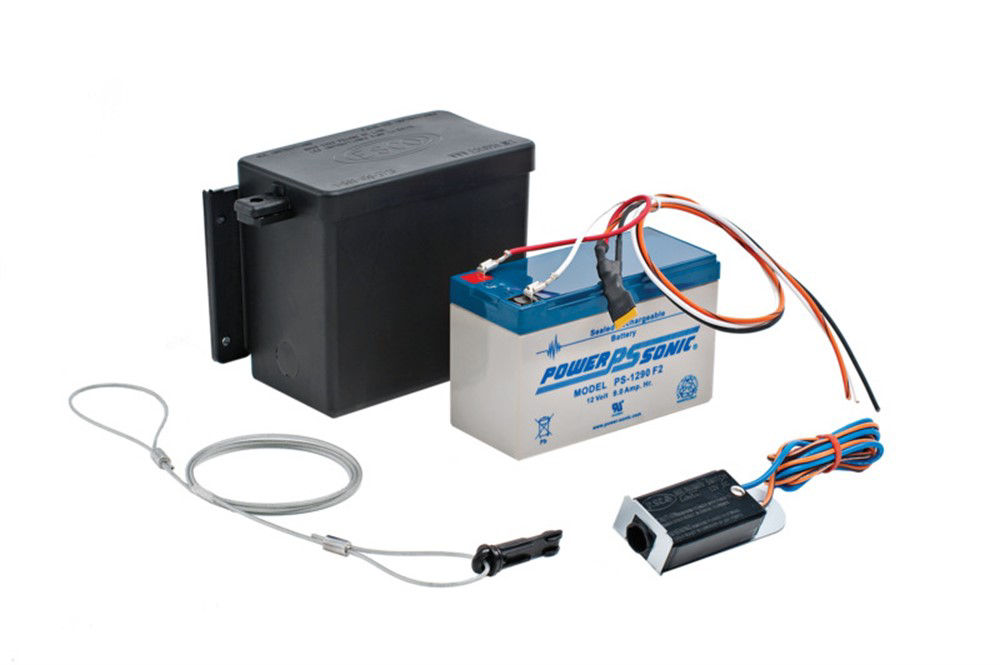
Breakaway System
The breakaway system is designed to apply trailer brakes if the trailer separates from the tow vehicle. Confirm the switch, cable, and battery are all in good working order.
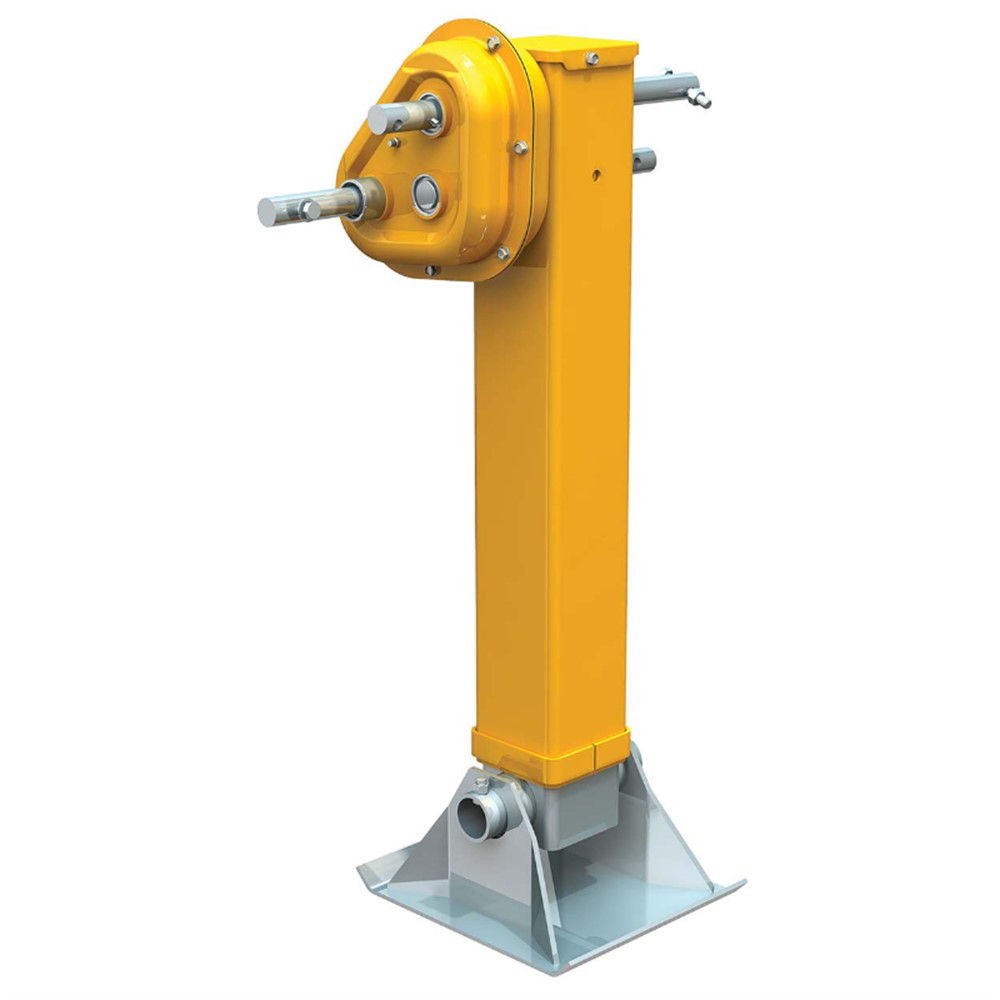
Tongue Jack / Landing Gear
Check for smooth travel, bent tubes, stripped gears, and signs of binding. Lubrication helps prevent corrosion and extends service life.
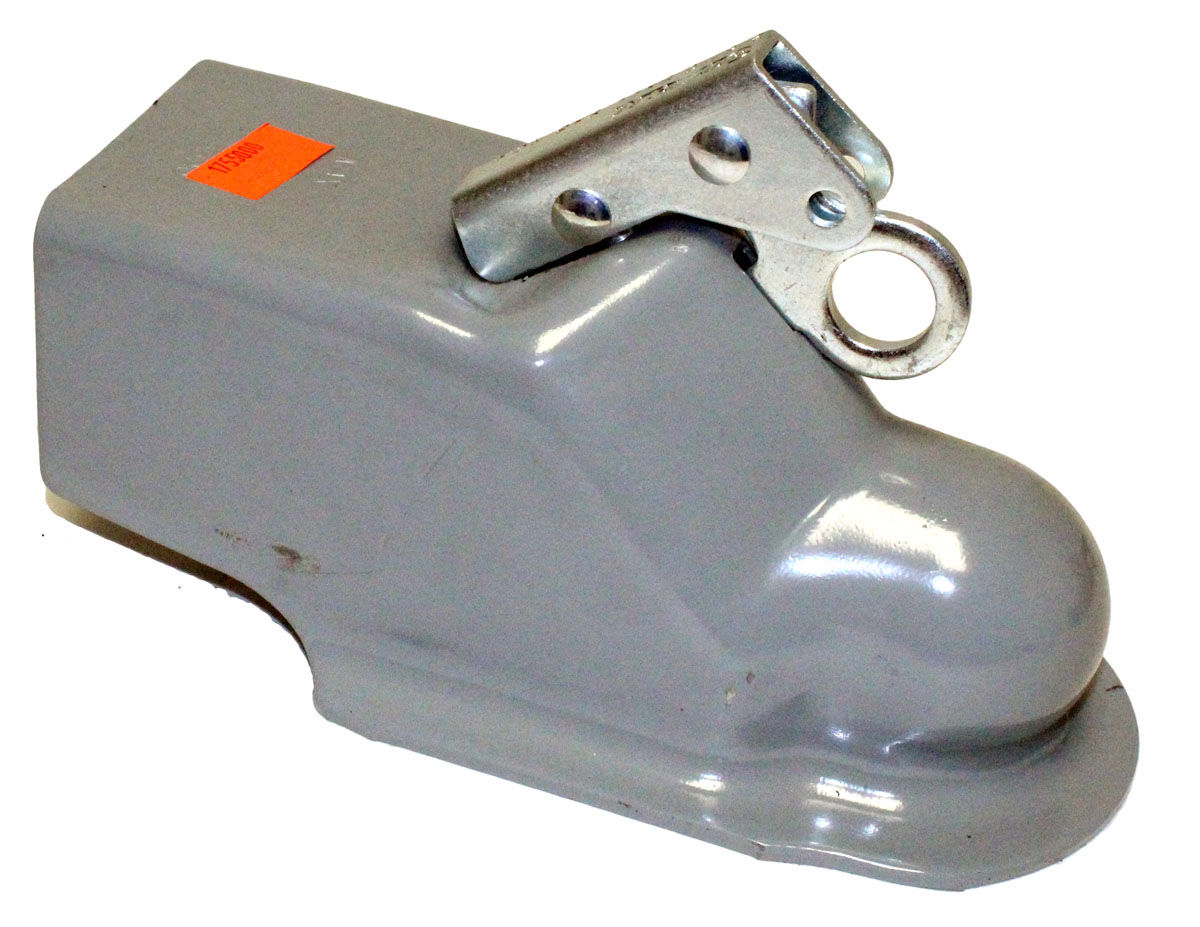
Hitch / Coupler
Inspect latch function and fit, mounting hardware, and structural connections. Any wear here increases the risk of separation under load.
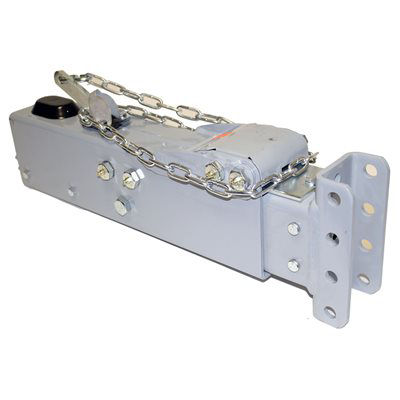
Surge or Electric / Hydraulic Actuators
Check smooth operation and look for fluid leaks or contamination. Water in brake fluid reduces braking effectiveness and can cause corrosion in hydraulic components.
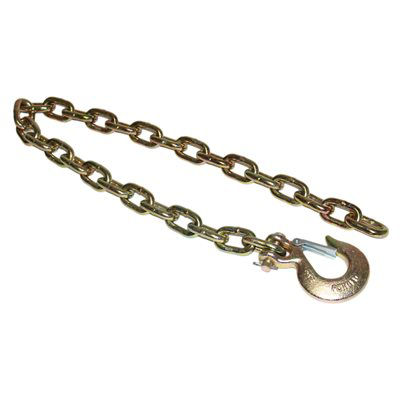
Safety Chains / Cables
Replace any chain or cable with stretched links, severe corrosion, cracks, or compromised hooks. Use correctly rated components for your trailer’s load.
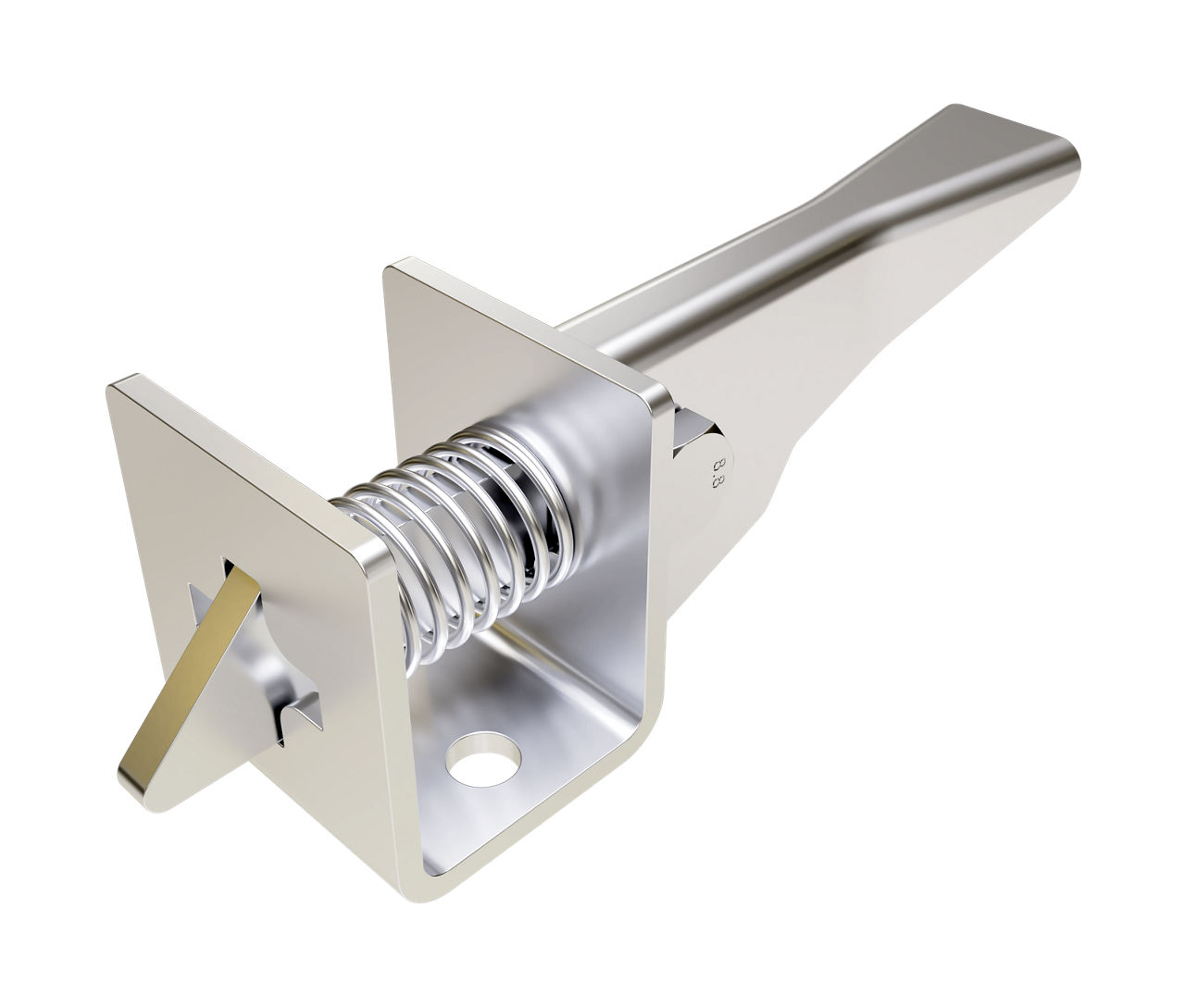
Latches & Hinges
Door and gate hardware takes a beating. Check smooth operation, fasteners, and brackets. Replace worn parts to prevent accidental opening or load shifting.
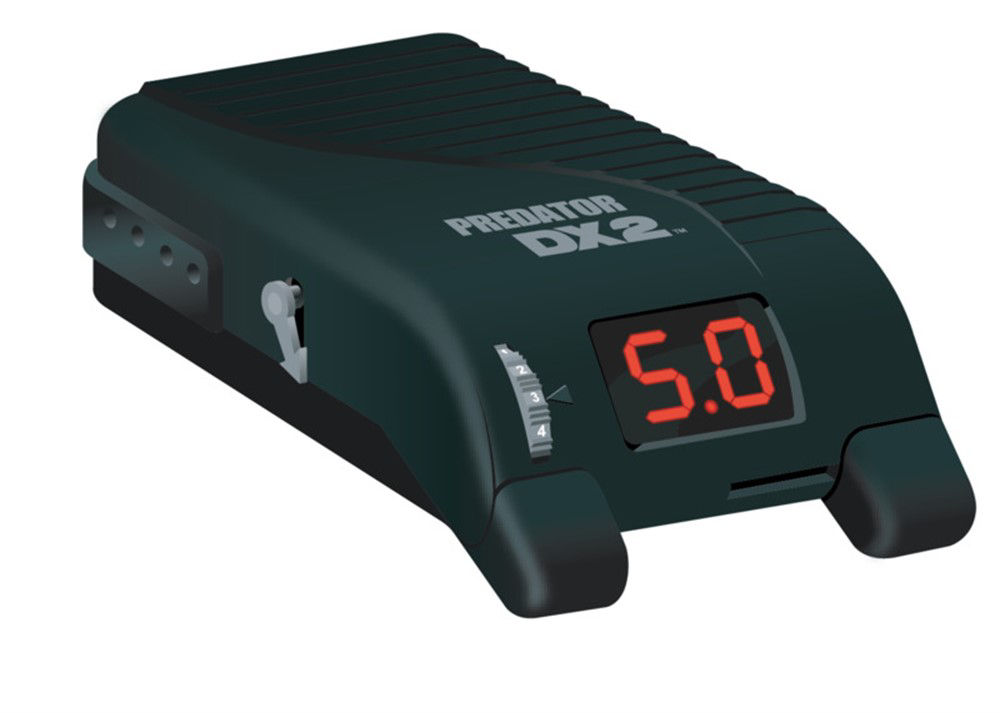
Brake Controllers
Confirm proper controller function and settings for your load. Poor calibration increases stopping distance and can cause brake overheating.
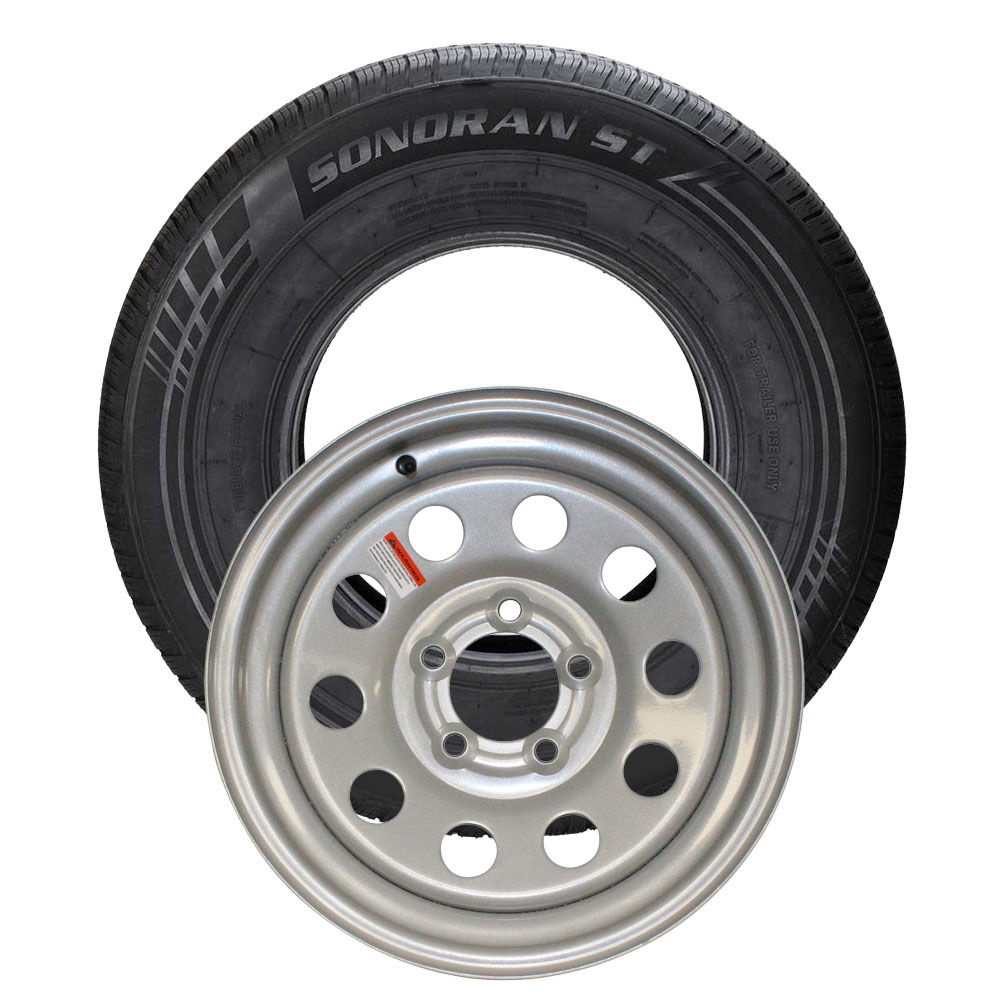
Wheels & Tires
Tires deteriorate with time, not just mileage. Look for sidewall cracking, bulges, uneven wear, and proper inflation. Confirm lug torque and inspect wheels for damage.
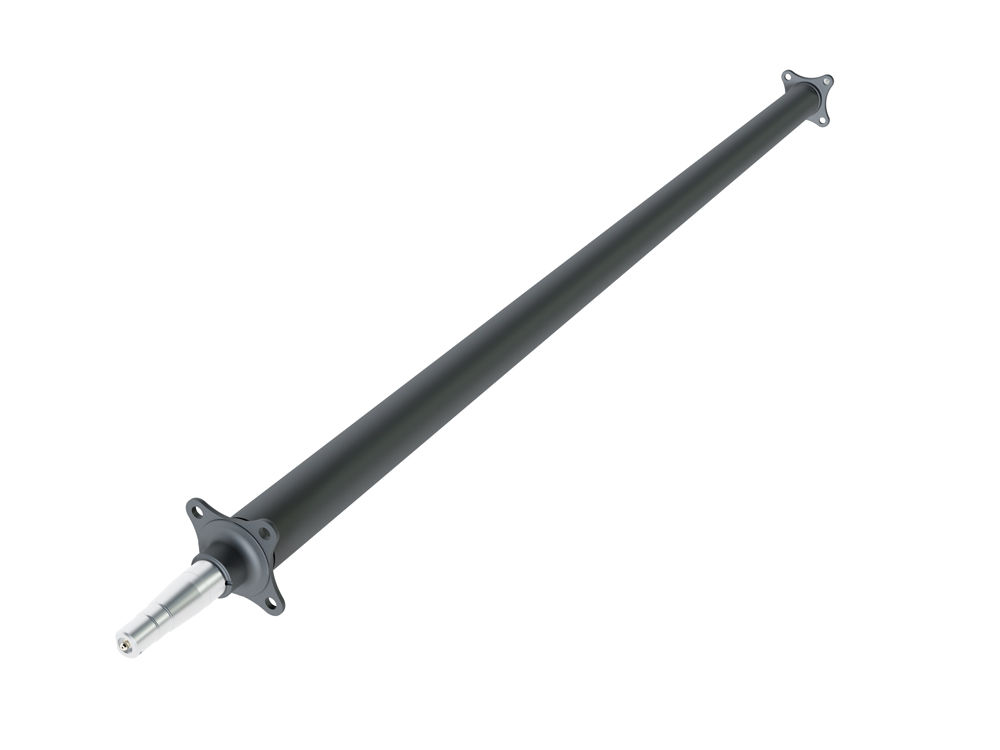
Axle(s) / Suspension
Inspect for damage, alignment issues, and worn suspension components. Worn hangers or shackles can cause uneven tire wear and poor tracking.
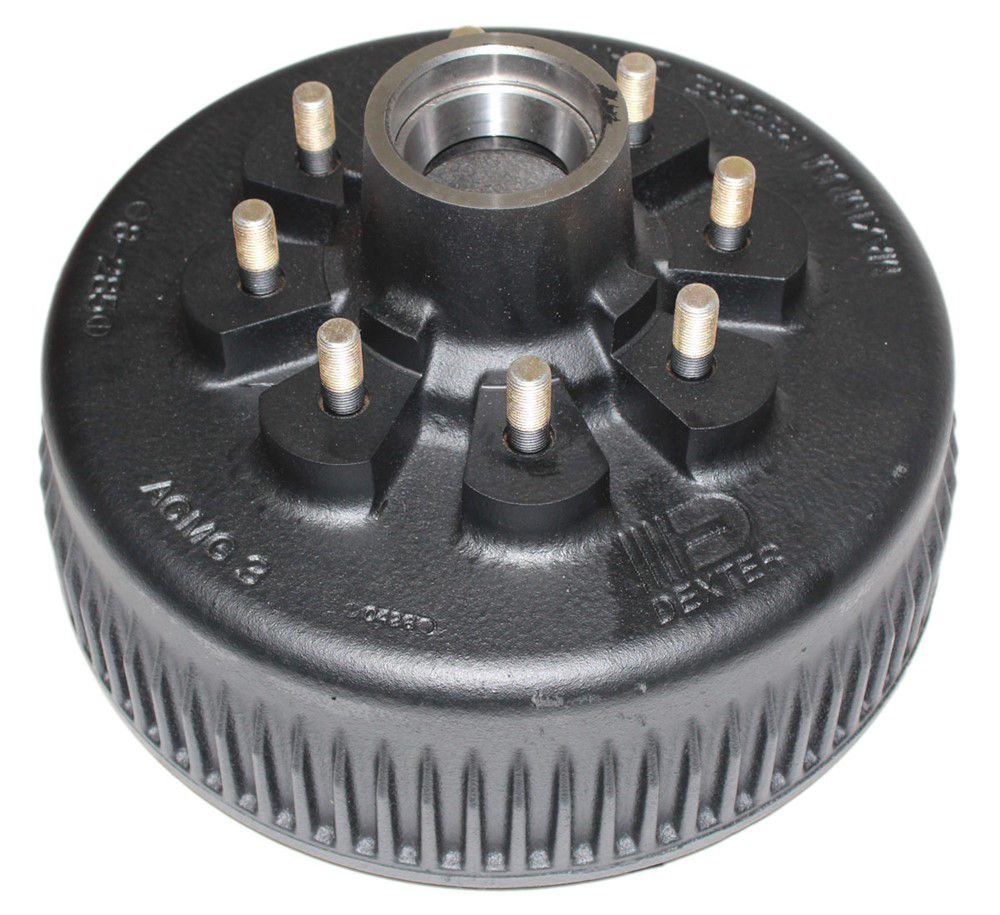
Hubs & Drums
Hubs and bearings are high-risk failure points. Look for heat discoloration, scoring, cracks, and evidence of grease leaks. Replace seals after hub removal and address any questionable bearing surfaces.
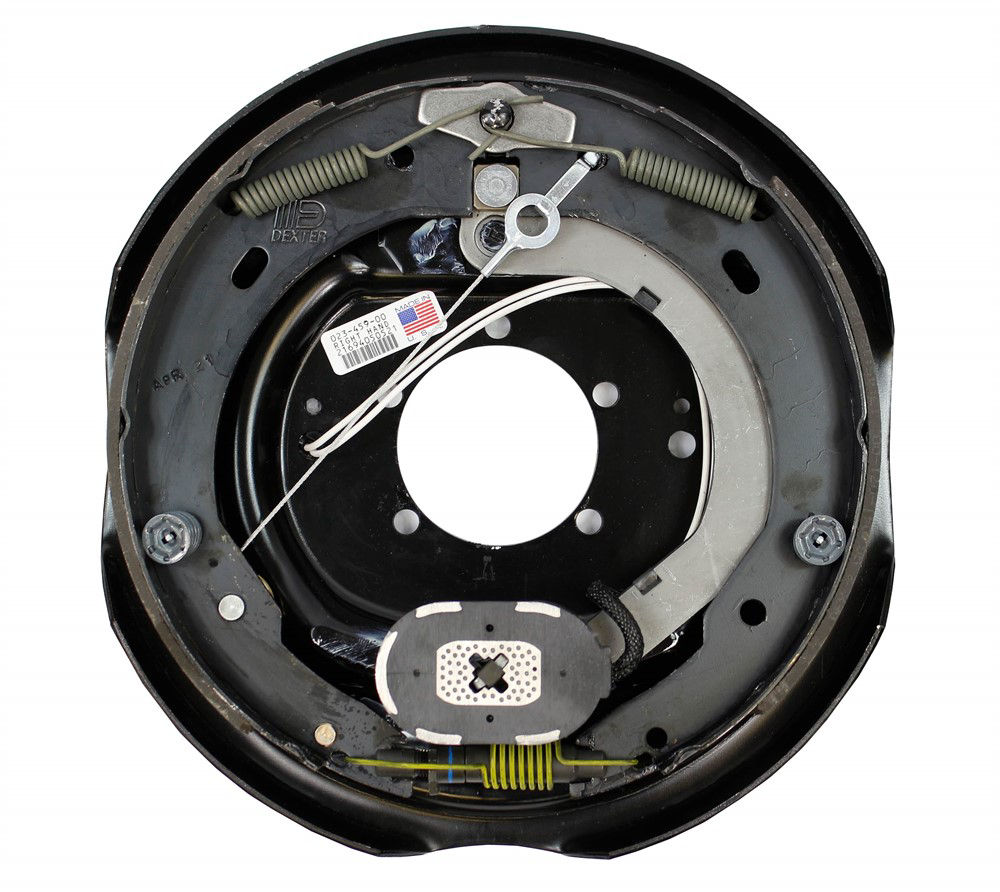
Brakes
Inspect for uneven wear, contaminated linings, weak springs, and damaged wiring. If you’re not confident in brake condition, schedule service before your first long haul.
Tip: If you find heat-discolored hubs, structural cracks, brake fluid leaks, or damaged suspension parts, stop towing and schedule service.
Download the Checklist
Print a copy so you can check items off as you complete your inspection.
Inspection Benefits
Safer towing • Fewer breakdowns • Better performance
Why Dexter quality parts?
Dexter components are engineered for fit, durability, and consistent performance. When you find wear during inspection—bearings, seals, brakes, wiring, couplers, and safety hardware—using Dexter parts helps ensure you’re putting proven, purpose-built components back on your trailer.
Shop by Category
Quick Links
Quick Links
Need Some Expert Help?
